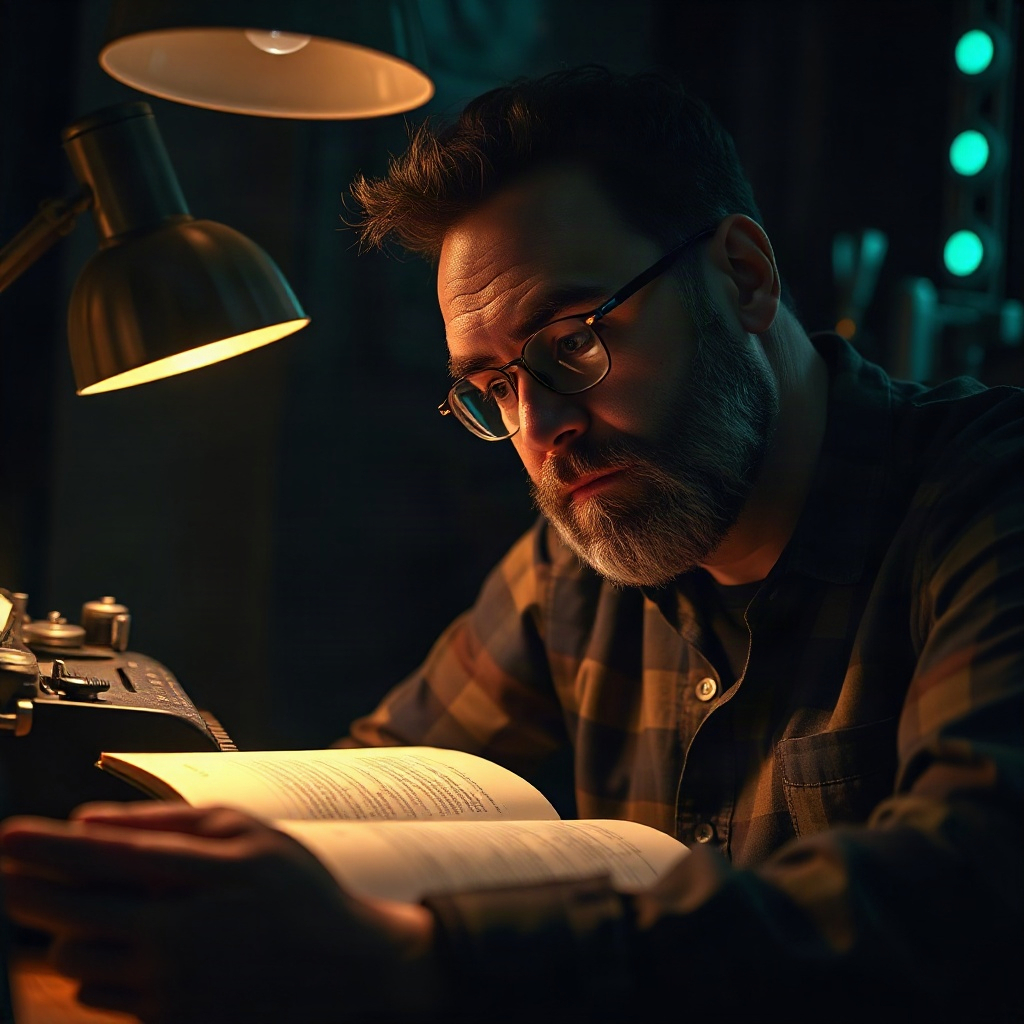
Twelve months unplugged from artificial intelligence is no sabbatical year; it feels closer to hibernating in a cryogenic capsule and waking up in a world where someone has rewritten the laws of gravity without bothering to leave a note.
The screen, hanging in the half-light, cut the room with that familiar white glare. From a forgotten corner of the hard drive I rescued a file where I kept my old mega-prompts: true three-page artefacts, crammed with surgical conditions and manic constraints that I wrote — let’s not fool ourselves — with the solemnity of a man convinced he has invented gunpowder. A year ago that made servers choke. Today it is archaeology.
I pasted the block of instructions. I barely grazed the send key.
I didn’t even have time to settle my back into the mattress. The answer didn’t unfold with the wheezing, masticated cadence of the old days; it burst out clean, stitching complex deductions and dismantling contextual subtleties with an ease that bordered on insolence. In those two seconds the biological short-circuit fired: the pure dopamine of watching magic collide head-on with the alarm the amygdala triggers when something overruns your maps of reality. A year of silence, and the evolution of artificial intelligence has not been a predictable advance. It has been a tectonic jolt in speed and reasoning power.
This technology thrills me. I would be a hypocrite if I denied the almost childlike wonder of peering into such an abyss of code. But applauding the technical leap without looking at the ground under our feet is too close to marvelling at the fireworks while the roof of the house starts to burn.
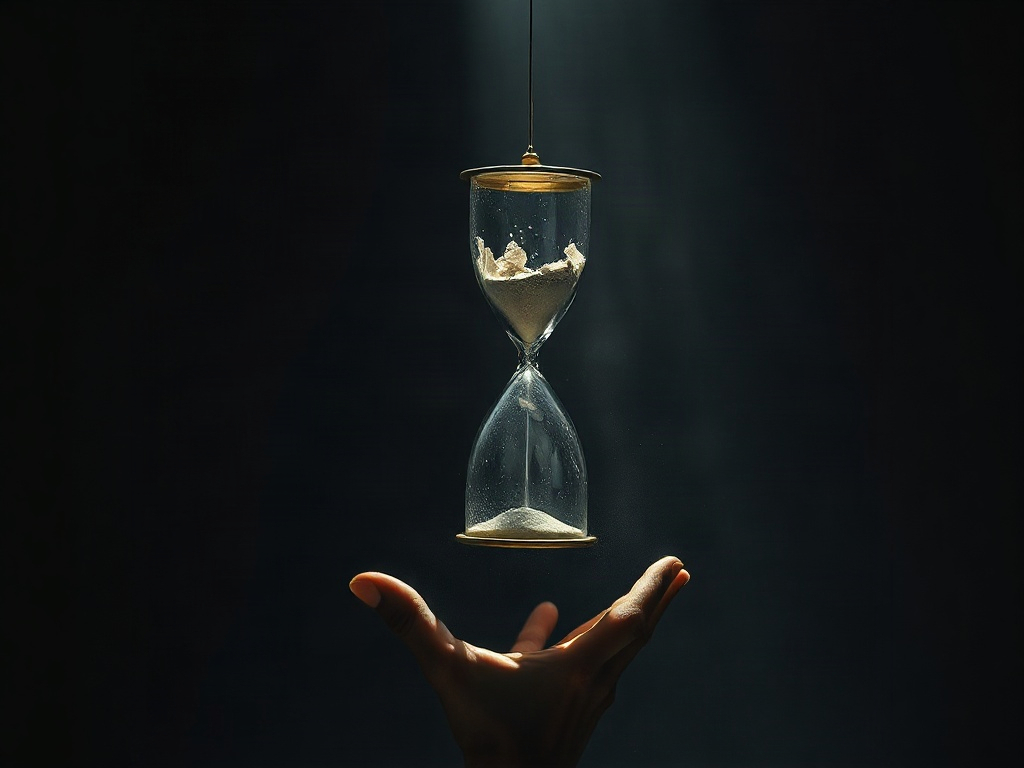
With a millimetre-perfect prompt you can now have an algorithm dress a story for the gala. So much so that digital platforms have become a sophisticated landfill where a thousand clone novels sprout every morning. Arithmetically correct plots, twists calibrated to the millimetre at the exact percentage point of the read, endings as predictable as a Swiss watch. All pristine. All dead. Writing has never been about landing the most statistically probable combination of two words. An author’s style lives in the cracks, in the badly healed wound, in the biological contradiction of someone hesitating over the keys because memory still stings. The machine computes the score with intimidating precision, but it has never had to live with insomnia, and it will never know the taste of the mud of a human defeat.
The imminent danger, however, does not rest in libraries colonised by silicon ghosts. The real blow is being struck behind closed doors, in the quarterly balance sheets of thousands of companies, under a terrifying collective indifference.
Artificial intelligence is quietly beheading the first rung of the labour market. All those formative tasks that for decades sustained junior professionals — the preliminary analysis, the first drafts, the data triage, the basic code — have been swallowed by automated models in a matter of months. And organisations, gripped by a wild myopia and the most primal loss aversion, applaud the immediate savings while dynamiting the foundation of their own structure. The trap is obvious: if you liquidate the step where apprentices stumble and learn, just to pretty up this quarter’s accounts, where will the masters of a decade from now come from? We are devouring the seed grain of the next harvest and celebrating it in corporate reports as an efficiency miracle.
The fracture becomes an abyss when the image enters the game.
In just twelve months we have crossed the irreversible threshold where synthetic video is indistinguishable from a physical lens: the pore of the skin, the trembling micro-expression on a cheek, the speck of dust suspended in a shaft of light. A single well-placed video file on social media is enough to dynamite a leader’s reputation, orchestrate a state crisis, or polarise a society in minutes.
But the flip side is darker still: the liar’s dividend. From now on, when a real, damning, dirty recording of a crime committed in the highest spheres comes to light, the culprit will need nothing but a cynical smile and a four-word sentence: «It’s an AI fake». And today, on this planet, there is no universal, incorruptible, unequivocal seal capable of instantly proving otherwise. We have set the artefact rolling without giving ourselves a scale to weigh the truth.
We designed a supersonic engine, fascinated by the thrust, and forgot to check whether the brakes were connected before hurling ourselves into the void. The machine will keep accelerating, refining its speed, learning to counterfeit our rhythms with millimetric precision.
The real question is not whether the algorithm will learn to write with soul, but how a civilisation that has chosen to keep running in the dark expects to hold itself up — after burning, forever, the testimonial value of its own eyes.
Did this piece resonate with you?
Leave your anonymous spark in the workshop if this reading brought you value.